We’ve all heard the word empathy. But who truly, honestly has this trait? For the past year, I’ve been asking myself: “Why am I such an empath?” — and not in a way that made me proud. In fact, it was something I sometimes wished I didn’t have. Maybe it comes from my psychology studies. Maybe it’s my personality. Or maybe it’s the result of my life lessons and the traumas I’ve experienced.
I’ve seen people dealing with anger issues, deep psychological wounds, constant conflict, and endless drama. People who are always fighting, always at odds with others. And every time I’ve crossed paths with people I’ve argued with, had problems with, or simply recognized as bullies or “bad” humans, there’s always this annoying reflex I have — empathy. You’ve probably heard the saying: “Hurt people hurt people.”
I see them doing and saying things I can’t comprehend — swearing, attacking, plotting against others, bullying, threatening, starting fights when drunk. But then I hear about their life story, what they’ve been through, and suddenly I forget the cruelty they’re showing. I start to understand why they act the way they do. Many of them have been hurt, neglected, or abandoned from a young age.
Sometimes, I notice the same patterns in myself. For example, I can get defensive instantly — from 0 to 100 in a second. The moment I feel threatened or uncomfortable, I lash out verbally to protect myself. Before you even have the chance to hurt me, I feel the need to hurt you first. In those moments, I can’t tell the difference between an actual enemy and someone close to me. Why am I like this? Because from a young age, I’ve lived in survival mode. My system is wired to always scan my surroundings for potential threats. Some people might think, “Wow, she’s so defensive. Why does she react so quickly?” But the truth is, we all behave the way we do because of the things we’ve been through.
Once I understood that — really understood it — I began to see even the most “evil” people differently. I can’t help but feel something for them, even if they’ve hurt me. Because in the end, pain has shaped them, just as it has shaped me. And here’s the thing about empathy — it’s a blessing and a curse. A blessing because it lets me see the brokenness behind someone’s cruelty. A curse because it means I can’t fully hate, even when it would be easier to. Sometimes I wish I could just say, “This person is awful, that’s it.” But for me, there’s always a “why,” and I can’t stop myself from seeing it — even when it hurts me. People don’t just start swearing, fighting, stalking, or making evil plans for no reason. This kind of behavior doesn’t mean they are strong — it usually means they feel insecure inside. Deep down, they feel small and powerless. When someone feels powerless, they look for ways to feel in control — even if it’s in a bad way. They swear to sound tough. They fight to feel strong. They stalk people because they are scared of being forgotten or replaced. They start drama because it makes them feel important for a moment. But all of this is just a cover. On the inside, they are afraid — afraid of not mattering, afraid of being rejected, afraid people will see who they really are.
If you grow up in a home where shouting is normal, where fights are how people “talk,” where you have to always be on guard to protect yourself, you learn early that aggression is survival. If you grow up feeling ignored or unloved, you might later try to control people so they can’t leave you. If you were constantly compared, judged, or put down as a child, you might attack others before they get the chance to do it to you. Another thing that happens a lot in this world, and this is usually an empath’s worst nightmare: when someone threatens suicide every time you try to leave them or set boundaries.
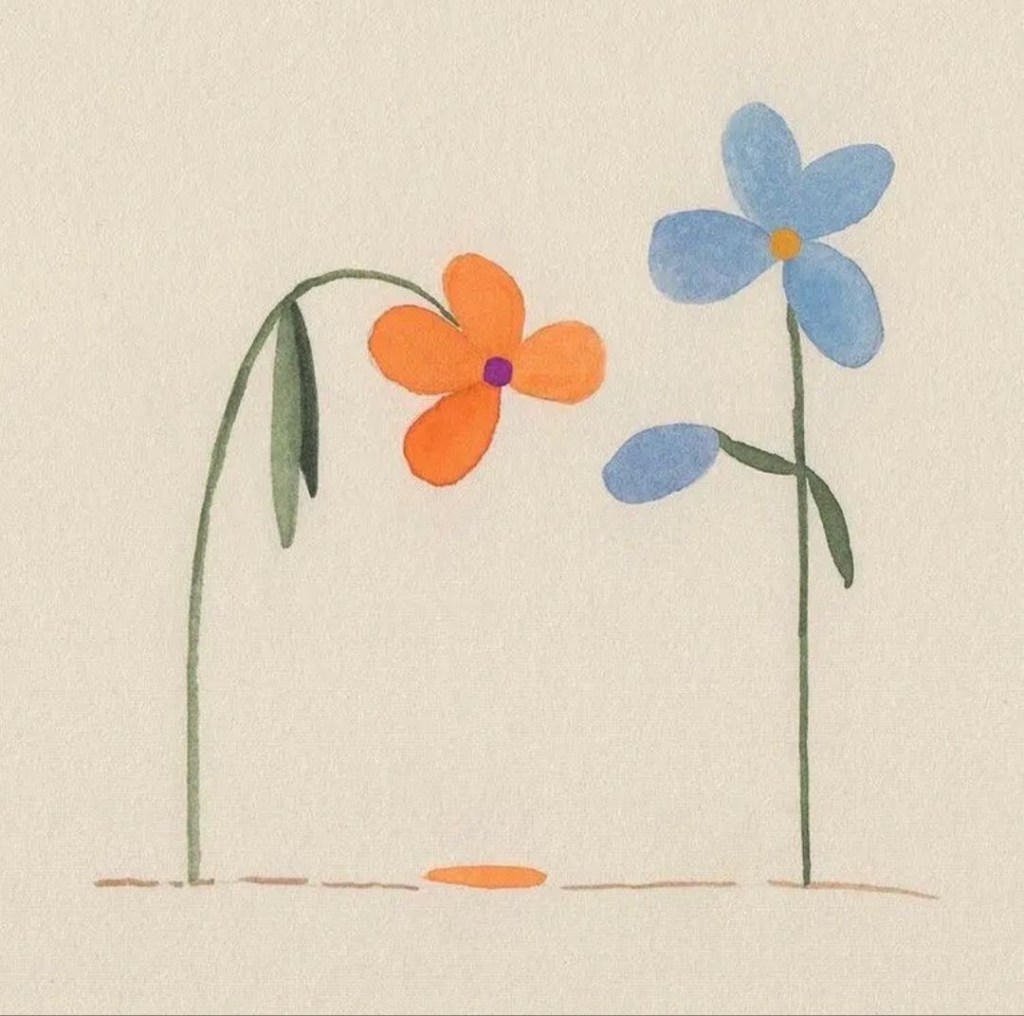
For empaths, this hits like a storm inside. You feel their pain so deeply, it’s almost as if their fear and despair become your own. Their words echo in your mind, and suddenly you’re overwhelmed by a terrible fear — the fear that you might actually be the reason they’re hurting so badly. It’s not just fear; it’s a heavy, suffocating guilt. You start to believe that if you walk away, you’re abandoning someone in their darkest moment, maybe even pushing them over the edge. That feeling makes it almost impossible to say no or protect yourself. Your heart refuses to ignore someone who’s clearly in so much pain.
But here’s the truth that’s hard to accept: being an empath doesn’t mean you have to carry the weight of someone else’s choices or pain. You can care deeply and still set healthy boundaries. You can feel compassion without letting fear and guilt control your life. Suicide threats are cries for help, yes — but when used to trap you or keep you from leaving, they become a form of emotional control. And empaths, with their open hearts, are especially vulnerable to this kind of manipulation because it targets the part of you that wants to save and heal.
Loving with empathy means learning to protect your own heart, even when it hurts. It means understanding that taking care of your own mental health is not selfish — it’s necessary. You are not responsible for someone else’s pain or their choices. Your empathy is a beautiful gift, but it’s okay — and important — to protect yourself from being consumed by it.
Being an empath can sometimes feel like a curse when dealing with toxic people. One of the worst nightmares for an empath? Threats. Toxic people can use a whole range of threats to control or emotionally trap empaths — because they know empaths feel deeply, avoid conflict, and hate the idea of causing harm.
Suicide threats – “If you leave me, I’ll kill myself.” The ultimate guilt button. Plays on the empath’s fear of being responsible for someone’s death. Self-harm threats – “I’ll cut myself / hurt myself if you make me upset.” Creates panic and fear, making the empath feel they must “keep them calm” at all costs.
Threats to ruin your reputation – “I’ll tell everyone lies about you.” Uses the empath’s fear of conflict, being misunderstood, or hurting others’ perception of them.
Threats to leave forever – “If you don’t do this, I’m gone for good.” Exploits the empath’s fear of abandonment and losing people they care about.
Threats to hurt someone/something you care about – “I’ll make sure your pet gets taken away” or “I’ll ruin your friendship with so-and-so.” Targets the empath’s protective instincts.
Threats to expose secrets – “If you don’t do what I want, I’ll tell everyone what you told me in confidence.” Preys on the trust and openness empaths naturally give.
Financial threats – “I’ll take everything from you” or “You’ll regret it when you have nothing.” Creates anxiety and fear of instability.
Emotional threats disguised as hurt feelings – “If you loved me, you wouldn’t do this.” Guilt-trips that make empaths feel like their boundaries equal cruelty.
Health-related threats – “You’re making me sick” or “You’ll give me a heart attack with your behavior.” Makes the empath feel physically responsible for the person’s well-being.
Isolation threats – “No one will want you if I’m gone.”
Being an empath is a wonderful thing — it means you can feel and understand other people’s pain when others might not notice. But it also means some people will try to use your kindness to control you. Not everyone you feel sorry for is a good person, and not every problem is yours to fix. Being careful doesn’t mean you’re cold — it means you’re protecting yourself. You can still care about people, but you must also take care of yourself.


Leave a comment